Are Short Personal Training Sessions Enough to Get Results?
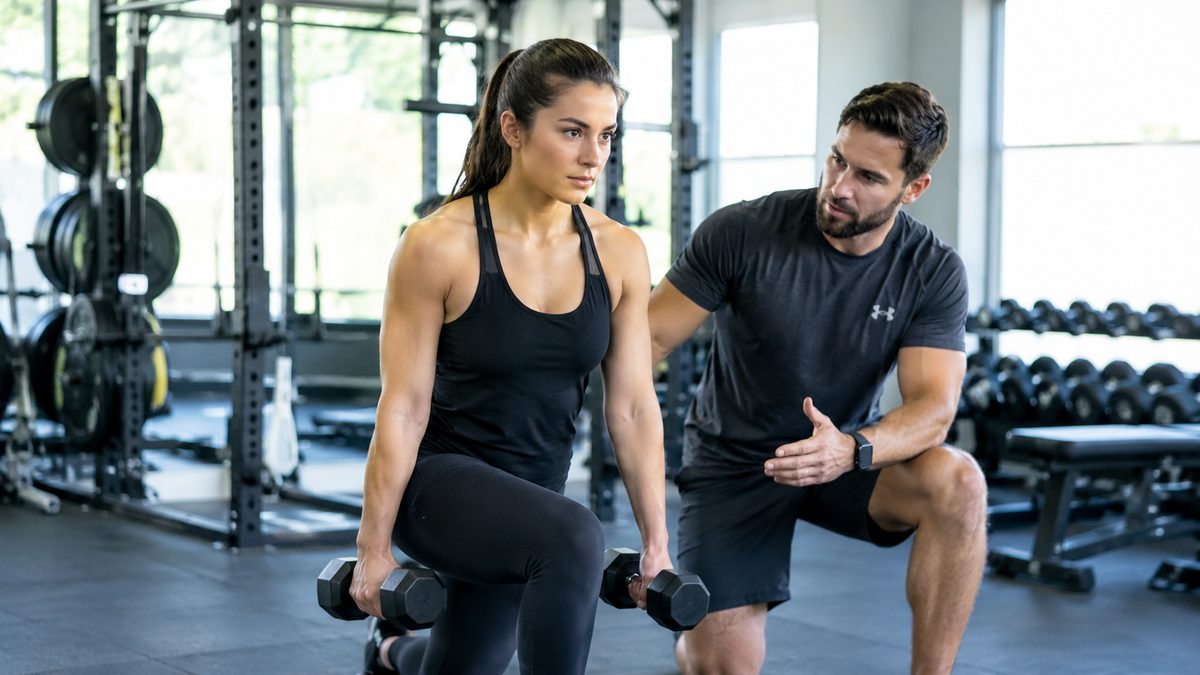
Yes, short personal training sessions can get results when the workout has a clear goal, enough effort, and steady progress over time. A focused 20 to 30-minute session can improve strength, Cardiovascular fitness, movement skill, and Body composition. The clock does not decide whether a workout works. The quality of the training does.
Short sessions fail when they become rushed, random, or too easy. They work when your Personal trainer chooses a small number of useful exercises, controls rest, tracks performance, and adjusts the plan as you improve. This makes short training a strong choice for busy people who struggle to fit longer workouts into their week. review the results after six weeks
What makes a short session effective?
An effective short session gives most of its time to productive work. You should know what you are training before the session begins. Equipment should be ready, exercise changes should be simple, and rest periods should match the goal.
A strength session may use two main lifts and one short accessory block. A conditioning session may use Circuit training with exercises that flow well together. Both plans can fit into 30 minutes without feeling careless.
In my experience, people often waste more time than they realise during an hour at the gym. They check their phone, wait for equipment, change the plan, or take long breaks without purpose. When that unused time is removed, a short coached session can contain almost as much useful work as a loose hour-long workout.
The session still needs a brief warm-up. This does not mean spending ten minutes on a treadmill before every workout. A good warm-up raises your temperature and prepares the joints and muscles needed for the first exercise. Two or four focused drills may be enough.
Is 20 minutes long enough for strength gains?
Twenty minutes can build strength if the plan uses Progressive overload. This means your muscles face a little more demand over time. You might lift more weight, complete another repetition, improve your range of motion, or perform the same work with cleaner form.
Strength training does not require a huge list of exercises. A short full-body workout can use a squat pattern, a push, a pull, and a loaded carry across different sessions. Large movements train many muscles at once, which makes them useful when time is tight.
For example, one of my clients believed a workout only counted if it lasted an hour. We cut the plan to 25 minutes because work kept causing missed sessions. Each workout used two main exercises followed by a timed carry. The client logged every set. After eight weeks, the client lifted more weight and had missed only one session. The shorter plan worked because it was completed and measured.
Heavy lifting also needs proper rest. Trying to turn every Strength training session into nonstop movement can reduce force and harm technique. If strength is the goal, your trainer may spend more of the session on fewer high-quality sets. That is better than racing through extra exercises.
Can short workouts build muscle?
Short workouts can support Muscle hypertrophy when each muscle gets enough hard work across the week. Muscle growth responds to challenging sets, sound technique, recovery, and rising demand. A long session has no special muscle-building power if much of it is low-quality work.
The final repetitions of a working set should feel hard while your form stays sound. If every set ends while you still have many easy repetitions left, the session may not create enough stimulus. If every set reaches complete failure, fatigue may rise faster than the benefit.
A short plan often uses paired exercises. You might complete a lower-body exercise, rest briefly, then perform an upper-body exercise. One area recovers while another works. This saves time without forcing the same muscles to work before they are ready.
Total weekly work still matters. One short session cannot cover every muscle with a large amount of detail. Your trainer may rotate the focus across sessions or give you a simple home workout. The aim is to spread useful work across the week, rather than force everything into one visit.
Can a brief session improve heart health and stamina?
Yes. Short training can improve Cardiovascular fitness when Exercise intensity reaches a useful level for long enough. Brisk circuits, loaded carries, cycling intervals, rowing, and fast walking on an incline can all raise the heart rate.
High-intensity interval training can deliver a strong conditioning effect in little time. Hard efforts are followed by recovery periods, which lets you repeat the work with control. Yet harder is not always better. Beginners may gain more from moderate intervals that keep breathing and movement under control.
During aerobic work, the heart and Circulatory system move oxygen to working muscles. Regular training helps the body perform this task with less strain. You may notice that stairs feel easier, your breathing settles faster after effort, or you can maintain a faster pace.
Circuit training can combine resistance work with a conditioning demand. The exercise order matters. Repeating similar movements with little rest may cause one muscle group to fail before the heart and lungs receive the planned training. A skilled trainer selects movements that keep the circuit safe and useful.
Does a shorter workout need to feel brutal?
No. A session does not need to leave you dizzy, sick, or unable to walk normally. Those feelings measure distress, not results. Good training uses the right Exercise intensity for your goal and current Physical fitness.
A productive short workout may feel demanding because rest periods are controlled. You should still be able to follow instructions and use sound form. Pain, loss of balance, or a sharp drop in technique means the plan needs to change.
I remember when one client asked for the hardest possible 30-minute workout before a holiday. The first plan they had tried elsewhere used repeated jumps and burpees. Their knees became sore, and they stopped training for several days. We replaced that approach with controlled resistance exercises and low-impact bike intervals. The session felt less dramatic, but the client trained again two days later and kept progressing.
This is where coaching matters. Your Personal trainer should adjust the load, pace, and exercise choice as fatigue rises. The goal is to create enough stress for change without causing a setback that costs more training time.
What results can a short session realistically produce?
Results depend on the goal, but short sessions can produce clear gains in strength, work capacity, movement control, and Physical fitness. Changes in Body composition are also possible when training works with suitable food intake, sleep, and daily movement.
Fat loss does not come from squeezing the largest possible calorie burn into 20 minutes. Body fat falls when energy use stays above energy intake over time. Training helps preserve muscle, raises activity, and gives structure to the week. Food choices often have a larger effect on the energy gap.
Muscle gain may move more slowly if short sessions do not provide enough weekly sets. That problem can be solved by training more often, using efficient exercise pairings, or adding brief work outside coached sessions. The answer is better planning, not making one workout exhausting.
Skill also improves through focused practice. A person learning a squat may benefit more from several fresh sets with direct feedback than from a long session filled with unrelated exercises. Once technique breaks down, extra repetitions can teach the wrong pattern.
Track results with measures that match the goal. Use loads and repetitions for strength. Record pace, distance, or recovery time for conditioning. For Body composition, use waist measurements, photos taken under the same conditions, or a consistent assessment method. Daily scale changes can hide real progress because water and food weight shift.
When is a short session the wrong choice?
A short session may be too limiting when the goal requires long practice or high training volume. A distance athlete needs some longer endurance work. An advanced lifter may need more time for warm-up sets and rest between heavy attempts. A person learning several new exercises may also need a slower pace.
Short sessions are also a poor fit when travel, changing clothes, or setting up equipment takes longer than the workout and this stops you from attending. In that case, a home plan or a longer session on fewer days may fit better.
Injury history and health needs can change the format. Some people need more time to warm up, monitor symptoms, or practise movements at a calm pace. Removing needed preparation to meet a fixed time limit makes the session worse.
The useful test is simple: can the session provide enough quality work without rushing form or skipping recovery? If the answer is no, increase the time or reduce the goal of that session.
How should a trainer structure limited time?
A good short session starts before the first working set. The Personal trainer knows the plan, checks how you feel, and changes only what needs changing. A long conversation can happen outside the paid training block when possible.
The main exercise should appear early, while attention and energy are high. Later work should support the same goal. If the focus is lower-body strength, the session should not drift into a random mix chosen for novelty.
Useful methods include paired exercises, timed work blocks, and short finishers. Each method needs a reason. Pairing two exercises can save rest time. A timed block can create a clear pace. A finisher can add brief conditioning after the main work. None should replace Progressive overload or good form.
Your trainer should record what happened. Memory is weak, especially when several clients train each day. A written log shows whether the plan is moving forward and stops short sessions from becoming a string of unrelated workouts.
How can you get more from every minute?
Arrive ready to train. Wear suitable clothes, bring water, and tell your trainer about pain or unusual fatigue before the session starts. Late arrival can remove a large share of a 20-minute booking.
Learn the basic exercise names and setup steps. Familiarity cuts instruction time and lets coaching focus on technique. During rest, listen for the next task instead of opening your phone.
Keep the plan narrow. Trying to train strength, speed, flexibility, and endurance at full depth in one brief session spreads the work too thin. Choose one main goal for the day. Small supporting work can follow it.
Support the session outside the gym. Eat enough protein when building or keeping muscle. Sleep on a steady schedule. Walk during the day. These habits often decide whether a short workout changes Body composition or remains one isolated burst of effort.
How can you tell whether the format is working?
Review the training log after four to eight weeks. You should see some form of progress that matches the goal. You may lift more, complete more controlled work in the same time, recover faster, or move with less effort.
Do not judge the plan by sweat or soreness. Heat, room temperature, and exercise choice change sweat. Soreness often falls as the body gets used to training, even while results continue.
If progress stops, check the plan before blaming the session length. The weight may have stayed the same for too long. Rest may be too short. Attendance may be uneven. Food or sleep may not support recovery. Fix the exact weak point.
If the plan truly cannot fit enough useful work into the available time, add another brief session or extend selected workouts. More time should solve a known limit. It should not become empty gym time.
Action takeaway: Ask your Personal trainer to build one focused 20 to 30-minute session, record every working set, and review the results after six weeks.