How to Choose a Personal Trainer in Maribyrnong
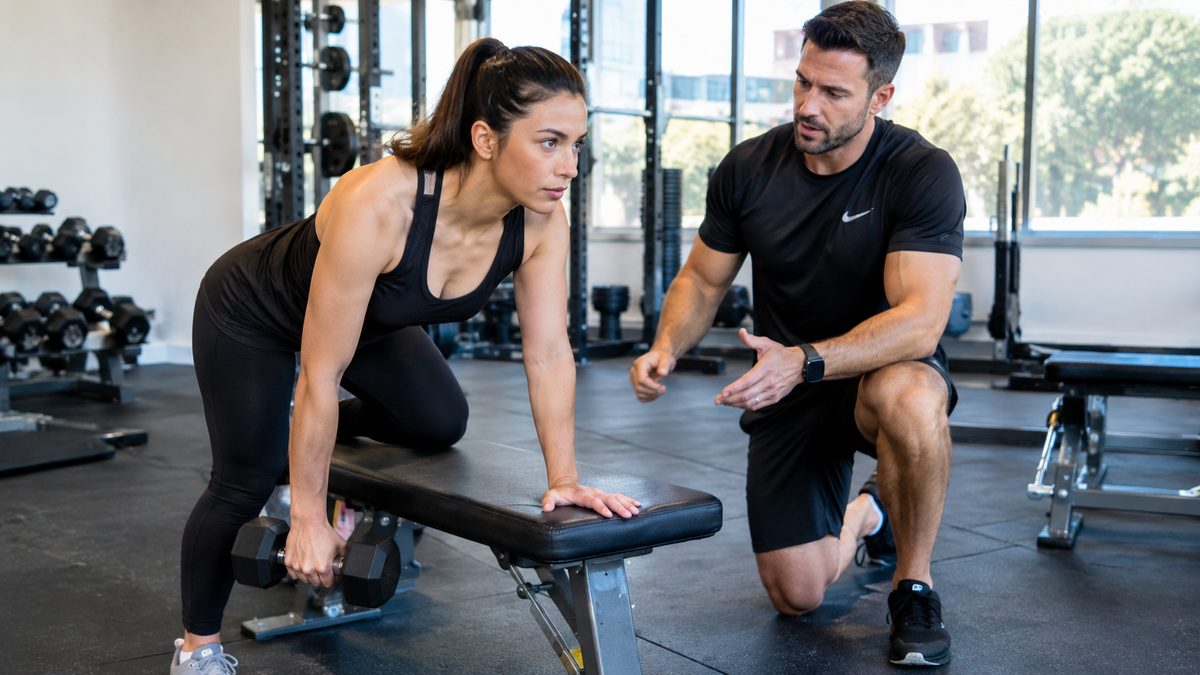
Choose a personal trainer in Maribyrnong who has recognised qualifications, understands your goal, coaches in a way you enjoy, and can show you a safe plan that fits your week. Don’t choose based on photos, follower counts, or a pushy sales pitch. A good trainer should explain what you’ll do, why it suits you, how progress will be tracked, and what the full cost is.
The best choice is rarely the trainer who looks the fittest. It’s the trainer whose skills match your needs. A strong bodybuilding coach may be a poor fit for a new parent rebuilding strength. A friendly group coach may not have the knowledge needed to manage an old knee injury. Start with your goal, then weigh each trainer against it.
What result do you want the trainer to help you achieve?
Name one main result before you contact anyone. You may want to build strength, improve physical fitness, lose body fat, prepare for an event, or return to exercise after a long break. A vague goal such as “get fit” makes trainers hard to compare. A clear goal lets you judge whether their plan makes sense.
Turn that goal into something you can see or track. “Train twice each week for three months” is clearer than “be more active.” And “carry groceries upstairs without stopping” may matter more than a number on a scale. If pain, low energy, or poor movement affects daily life, include that too.
In my experience, people often ask for weight loss when consistency is the real problem. They’ve tried strict plans, missed two sessions, then stopped. In that case, the right trainer can shape a routine around work, family, and travel. A coach who talks only about hard workouts has missed the real barrier.
Ask how the trainer would approach your exact result. Their answer should cover a starting check, a rough training plan, a way to track progress, and a review point. Be wary if every goal gets the same workout package.
Which qualifications should you check?
Ask about the trainer’s current qualification and which organisation issued it. In Australia, common entry qualifications for personal trainers sit within the Australian Qualifications Framework. A trainer should be happy to name the course, show proof, and explain what it trained them to do. recognised qualifications
A certificate alone doesn’t prove someone is a great coach. It does show they completed formal study in areas such as program design, safe exercise, client screening, and basic anatomy. Extra study can matter when you have a specific need. That may include strength coaching, older adult fitness, pre and postnatal coaching, or working with people who have a disability.
Check that any extra credential comes from a real education provider. Weekend courses can teach useful skills, but they shouldn’t be passed off as medical training. A personal trainer isn’t automatically a physiotherapist, dietitian, or doctor. Good trainers know where their role ends and when to refer you.
Ask these questions before paying:
- What personal training qualification do you hold?
- Is your first aid and CPR training current?
- Do you complete ongoing professional education?
- Have you coached people with my goal or limits?
- When would you refer a client to a health professional?
Clear, calm answers are a good sign. Dodging the question isn’t.
How can you judge relevant experience?
Experience should fit your situation. Ten years of coaching athletes may say little about a trainer’s ability to help a nervous beginner. Ask how many clients they’ve coached with a similar goal, starting level, schedule, or injury history.
Ask for a real example without requesting private client details. A useful answer sounds like this: “I worked with a client who had not trained for five years. We began with two short sessions, used simple strength movements, and increased the load after their form stayed steady.” That tells you far more than a claim about changing hundreds of lives.
I remember one client who thought sore knees meant squats were off limits. The first step wasn’t a brutal leg session. We found movements that felt safe, kept the range small, and sent them back to their clinician when symptoms changed. That experience taught me that restraint can be a stronger coaching skill than intensity.
Listen to how the trainer talks about former clients. Good coaches describe the client’s work, the plan, and the time it took. They don’t take all the credit for every result. Testimonials may support your choice, but they can’t replace a proper conversation.
What should happen before your first hard session?
A trainer should screen you before asking for hard effort. Expect questions about your health, current activity, past injuries, medication that may affect exercise, and any advice from a clinician. You should also talk about sleep, stress, free time, and movements that worry you.
The trainer may check basic movement, strength, or aerobic capacity. Every test should have a point. It should set a safe starting place or give you a measure to compare later. You don’t need a long run of painful tests to prove you’re unfit.
If you report chest pain, unexplained dizziness, a recent operation, or a serious condition, the trainer may ask you to get medical clearance. That’s good judgement. A trainer who brushes off a warning sign to keep a booking is risking your health.
Ask what they do when pain starts during training. “Push through it” isn’t an acceptable default. A sound answer includes stopping the movement, checking what changed, choosing a suitable option, and referring you when the problem falls outside their role.
Does the coaching style work for you?
You need a trainer whose coaching style helps you take action. Some people enjoy direct instructions and firm targets. Others learn better with calm feedback and time to practise. Neither style is always best.
Use a trial session to watch the trainer closely. Do they explain the point of each movement? Do they give one useful cue at a time? Do they listen when you say something feels wrong? Do they adapt the plan, or make you follow a fixed routine?
The trainer should pay attention without making you dependent on them. Over time, you should learn basic technique, know how to pick a suitable weight, and feel more confident training between sessions. A coach who hides every choice behind jargon may be guarding their business instead of building your skills.
Notice how you feel after the meeting. Mild nerves about starting are normal. Feeling shamed, ignored, or pressured is a reason to keep looking. Respect makes honest talk easier, and honest feedback helps a trainer make safer choices.
Will the location and schedule support consistency?
In Maribyrnong, convenience can decide whether a good plan lasts. Think about travel from home or work, parking, public transport, school drop-off times, and traffic near busy shopping areas. A trainer who seems perfect on paper won’t help if getting to each session becomes a weekly battle.
Pick the setting that suits you. You may prefer a commercial gym, private studio, home visit, or outdoor session near the Maribyrnong River. Each choice affects cost, privacy, available equipment, and weather risk. For outdoor sessions, ask what happens during heat, rain, smoke, or poor ground conditions.
Check the exact meeting point and whether you’ll need a separate gym membership. Ask if the trainer works across several sites. A “Maribyrnong” service may cover a broad area, so confirm the address before you book.
Choose a time you can keep during a normal week. A 5:30 am booking may sound disciplined on a sales call. It won’t work if you often finish work late or care for a child overnight. The best schedule still works when motivation dips.
How should you compare pricing?
Compare the whole service, not just the session price. Pricing may include an assessment, program design, app access, messages, progress reviews, or gym entry. Another trainer may charge less for each session but bill those items on top.
Ask for the total cost across the first eight to twelve weeks. This reveals joining fees, minimum terms, payment charges, and required memberships. It also helps you compare one weekly session plus an independent plan with two supervised sessions.
Confirm these details in writing:
- Session length and frequency
- Package price and expiry date
- Cancellation and rescheduling rules
- Pause options for illness or travel
- Refund terms
- Costs for assessments, programs, or facility access
A cheap session you can’t reschedule may cost more than a flexible choice. A high fee can be fair when the trainer has relevant specialist skills and offers useful help outside each session. The price should match the value. It must also fit a budget you can keep paying.
Don’t buy a long package during the first conversation. Start with an assessment or short trial when you can. That gives you some proof before making a bigger commitment.
What business and safety checks matter?
Ask whether the trainer has current public liability and professional indemnity insurance. These forms of insurance don’t prove coaching quality, but they show the trainer has taken a basic step to manage business risk. If they work in a gym or studio, check whether the venue covers them or asks them to hold their own policy.
Find out how they handle emergencies. They should know where first aid supplies are, how to call for help, and what to do if you become unwell. For outdoor or mobile sessions, ask how they carry emergency details and deal with unsafe weather.
Your personal information needs care too. The trainer may collect your medical history, contact details, progress photos, or body measurements. Ask where this data is kept and whether images might ever appear in marketing. Agreeing to coaching doesn’t mean agreeing to social media posts.
Professional boundaries matter. The trainer should explain contact hours, speak with respect, and ask permission before giving hands-on technique cues. You can refuse photos, measurements, or physical contact without losing access to safe coaching.
Which warning signs should end the conversation?
Walk away from guaranteed results, extreme food rules, public weigh-ins without clear consent, or claims that one method works for everyone. Results depend on your starting point, effort, recovery, and many things a trainer can’t control.
Be careful if a trainer diagnoses an injury, tells you to stop prescribed medicine, or sells supplements as a cure. Those actions sit outside normal personal training practice. Strong coaches work with qualified health professionals when a client needs clinical care.
Other warning signs include missed appointments, vague fees, no screening, poor attention during sessions, and constant phone use. Watch how the trainer treats other clients and staff. Small acts can reveal more than polished marketing.
Pressure is another clear warning. Lines such as “sign today or lose the price” are meant to cut your thinking time. A suitable trainer will let you read the terms and make a sound choice.
How do you make the final choice?
Shortlist two or three trainers who pass your basic checks. Speak with each one and score them on the same points: relevant qualifications, matching experience, clear safety steps, coaching fit, location, schedule, and total cost. This stops charm or appearance from taking over your decision.
During a trial, look for a simple cycle. The trainer should observe, explain, let you practise, then adjust. You should leave knowing what you worked on and what happens next. Being exhausted doesn’t prove the session was good.
Ask what success should look like after four weeks and after twelve weeks. The answer should tie back to your goal. It might mean more sessions completed, better movement, heavier lifts with sound form, a faster walking pace, or less fear around the gym. The measure should be clear enough to review.
Trust matters, but ground it in behaviour. Choose the person who listens well, stays within their role, keeps their promises, and gives reasons you can understand.
What should you do next?
Write down your main goal, weekly budget, preferred Maribyrnong location, available times, and any health or injury needs. Contact two qualified trainers, ask both the same questions, and book one trial before buying a package.