What to Expect at Your First Personal Training Session
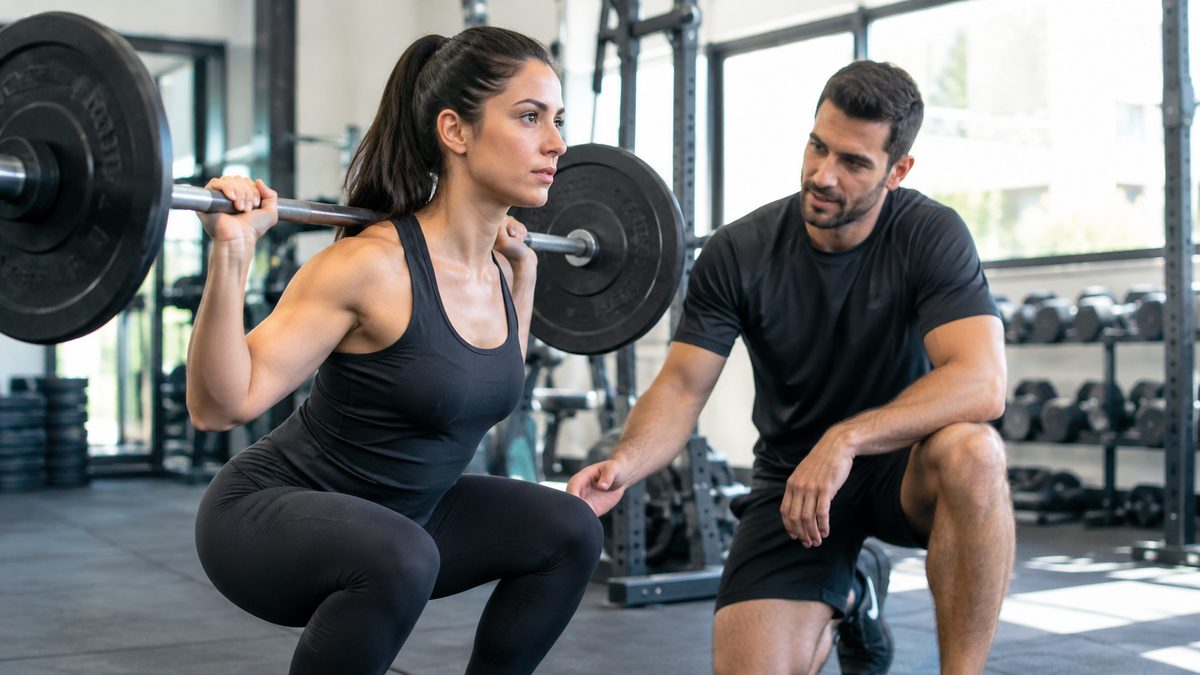
Your first personal training session will usually include a detailed chat, simple movement checks, a manageable workout, and a plan for what comes next. It should feel like a starting point, not a fitness test you must pass. Your trainer needs to learn how you move, what you want, and what level of Exercise suits you now. You also need time to learn how the trainer works.
You may arrive feeling nervous, unfit, or unsure about gym equipment. That is normal. A good trainer will explain each step before asking you to do it. You should leave knowing what you did, why you did it, and how future sessions will help you make progress.
What happens before you start exercising?
The session normally starts with a conversation. Your trainer may ask about your Health, daily routine, training history, injuries, sleep, work demands, and current activity level. Give honest answers. The trainer is not looking for perfect habits. They need accurate details so they can choose safe exercises and a useful starting level.
You may complete a health screening form before the appointment or when you arrive. It can ask about chest pain, dizziness, joint problems, medication, surgery, pregnancy, or advice you have received from a doctor. A yes answer does not always stop training. It may mean the trainer needs more information or clearance from a health professional.
Bring up concerns even if they seem small. Tell the trainer if stairs cause knee pain, your back becomes sore after sitting, or you feel faint during hard activity. Explain what makes the problem better or worse. These details often matter more than the name of an old injury.
The opening talk also covers practical points. You may discuss the session length, where to put your belongings, access to water, and how to signal that you need a break. Knowing these details can lower stress before the physical part begins.
How will the trainer learn what you want?
Goal setting turns a broad wish into a clear training direction. Saying you want to “get fit” gives the trainer little to work with. Explain what improved Physical fitness would let you do. You might want to carry shopping without back pain, return to social sport, or complete a full workday with more energy. Understanding what a personal trainer can do for you helps you set realistic expectations for your training journey.
Your trainer should help you choose a Goal that fits your life. They may ask why it matters, what has stopped you before, and how much time you can give to training. The aim is to connect the program with a result you care about.
A useful goal also has a way to track progress. That might be the number of pain-free squats you can perform, the load you can lift with sound form, or how long you can walk before needing a rest. Weight can be one measure, but it should not become the only sign of success.
Be clear about what you dislike. If running makes you dread training, say so. If you enjoy learning strength exercises, mention that too. A program needs enough structure to work and enough appeal for you to keep doing it.
Will your trainer take measurements?
Some trainers record resting heart rate, blood pressure, waist size, weight, or Body composition. Others wait until a later appointment. The choice should relate to your goal and require your consent.
Body composition estimates can vary with hydration, meals, recent training, and the device used. One reading cannot define your health or effort. If the trainer records it, ask how often it will be checked and how the result will guide the program.
You can refuse any measurement that makes you uncomfortable. The trainer can still assess progress through strength, movement quality, energy, attendance, or changes in daily tasks. A respectful coach will explain why a measure may help without pressuring you to accept it.
What movement checks might you do?
The trainer may ask you to squat to a bench, reach overhead, balance on one leg, push against a wall, or walk at a steady pace. These are starting checks, not pass-or-fail exams. They show how your joints move, where you feel discomfort, and how well you control common positions.
The trainer should watch how you perform each task rather than force your body into a textbook shape. Bodies differ. Limb length, past injury, training history, and current confidence can change how a movement looks.
You may also complete a light test of Cardiovascular fitness. This could involve walking on a treadmill, cycling, or stepping at a set pace. The trainer may watch your heart rate, effort, and recovery. This gives them basic information about how your Circulatory system responds to activity.
Your Breathing gives useful clues as well. Holding your breath during a simple task may mean you feel tense or do not yet know how to brace. Becoming unable to speak during a warm-up may show that the pace is too high. A trainer can adjust the task before fatigue damages your form.
Do not try to impress the trainer during these checks. Moving faster, hiding pain, or claiming a task feels easy can lead to a poor starting plan. An honest baseline helps the trainer give you the right challenge.
How hard will the first workout feel?
The first workout should feel useful without leaving you crushed. Your trainer is learning how you respond to instructions, load, pace, and rest. Starting below your limit gives them better information than pushing you until your form fails.
A common session may include a warm-up followed by basic strength movements, short periods of steady cardio, and a cool-down. The exact order can change. Someone returning after surgery needs a different start from an active person preparing for a race.
Your trainer might use bodyweight movements, resistance bands, dumbbells, cable machines, or fixed gym equipment. Simple exercises are often the best choice because they let you learn control. Complex drills can wait until you have the skill and strength to gain from them.
You should expect pauses for instruction. The trainer may show a movement, let you try it, then change your stance or reduce the load. These pauses are part of coaching. They are not wasted workout time.
Muscle effort is expected. Sharp pain, sudden weakness, dizziness, chest pressure, or unusual shortness of breath is not something to push through. Tell the trainer at once. They should stop the activity, check how you feel, and choose the safe next step.
What should good coaching feel like?
Good coaching feels clear and specific. Instead of giving five instructions at once, the trainer should offer one useful cue and let you test it. They may ask you to slow the lowering phase, keep your foot firm, or stop the set before your position changes.
Feedback should tell you what worked as well as what needs adjustment. “That rep was better because your knee stayed steady” teaches more than praise alone. You learn which action produced the result and can repeat it.
The trainer should also ask for your view. A movement that looks fine can still feel painful or unstable. You might rate the effort on a scale or describe where you feel the exercise. Your answer helps the trainer change the load, range, speed, or setup.
You do not need to understand every machine or remember every cue after one visit. The trainer should build skills in small steps. By the end, you should know the main points for any exercise you are expected to repeat alone.
What if you feel self-conscious or unfit?
You do not need to get fit before seeing a personal trainer. Your present level is the starting point the trainer needs. Needing a longer rest or using a light weight does not mean you failed.
Many people worry that others in the gym are watching them. Most gym members are focused on their own session. A trainer can also choose a quieter area, explain equipment before you use it, or schedule the appointment outside busy hours.
Tell the trainer if a past fitness experience made you feel judged. That information can change how they coach. You may prefer private instructions instead of loud praise. You may want the trainer to explain each new movement before you enter the main gym space.
You can ask questions at any point. Useful questions include what an exercise trains, where you should feel it, and what signal means you should stop. Asking does not slow progress. It helps you take part in the process and makes future training safer.
How will the session end?
The trainer should lower the pace rather than stop the session without warning. You may walk slowly, perform gentle movements, or spend a few minutes letting your heart rate settle. A long stretching routine is not required after every workout.
The trainer should then review what they noticed. They might explain that your leg strength is sound but your control drops when you rush, or that your fitness base supports a gradual rise in training time. This review should use plain language.
You may discuss soreness. Mild muscle tenderness can appear within a day or two, especially after unfamiliar movements. Severe pain is not a required sign of a good session. Ask what level of soreness is expected and how to contact the trainer if a symptom concerns you.
You should also learn what to do before the next appointment. The trainer may suggest a walk, a short practice session, or normal rest. Any homework should be simple enough to complete safely without close supervision. Ask your trainer about their session rates and how personal training costs fit your budget.
What should you notice after the appointment?
Pay attention to how your body feels later that day and the next morning. Note any pain, unusual fatigue, or exercise that felt especially good. Share this at the next session. Your response helps the trainer set the right load and volume.
Also judge the coaching experience. You should have felt heard. The trainer should have respected your limits, answered questions, and explained changes. You should understand how the planned sessions connect with your goal.
Feeling tired does not prove the program will work. Progress comes from training at a level you can recover from and repeat. The first session succeeds when it gives the trainer useful information and gives you confidence to return.
How should you prepare for the best first session?
- Wear clothes that let you move. Choose comfortable training clothes and supportive shoes. Bring any item you normally use for exercise, such as prescribed supports.
- Eat and drink as you normally would. Avoid arriving very hungry or after a large meal. Bring water if the training area does not provide it.
- Bring useful health details. Have your medication list, injury notes, or medical guidance ready when these details affect training.
- Write down your main goal. Add one real-life task you want to improve. This gives the trainer a clear place to begin.
- Report what you feel. Speak up about pain, confusion, effort, or worry during the session. The trainer cannot respond to information you hide.
Your single next step is to arrive ready to describe your goal, health history, and honest response to each movement.